
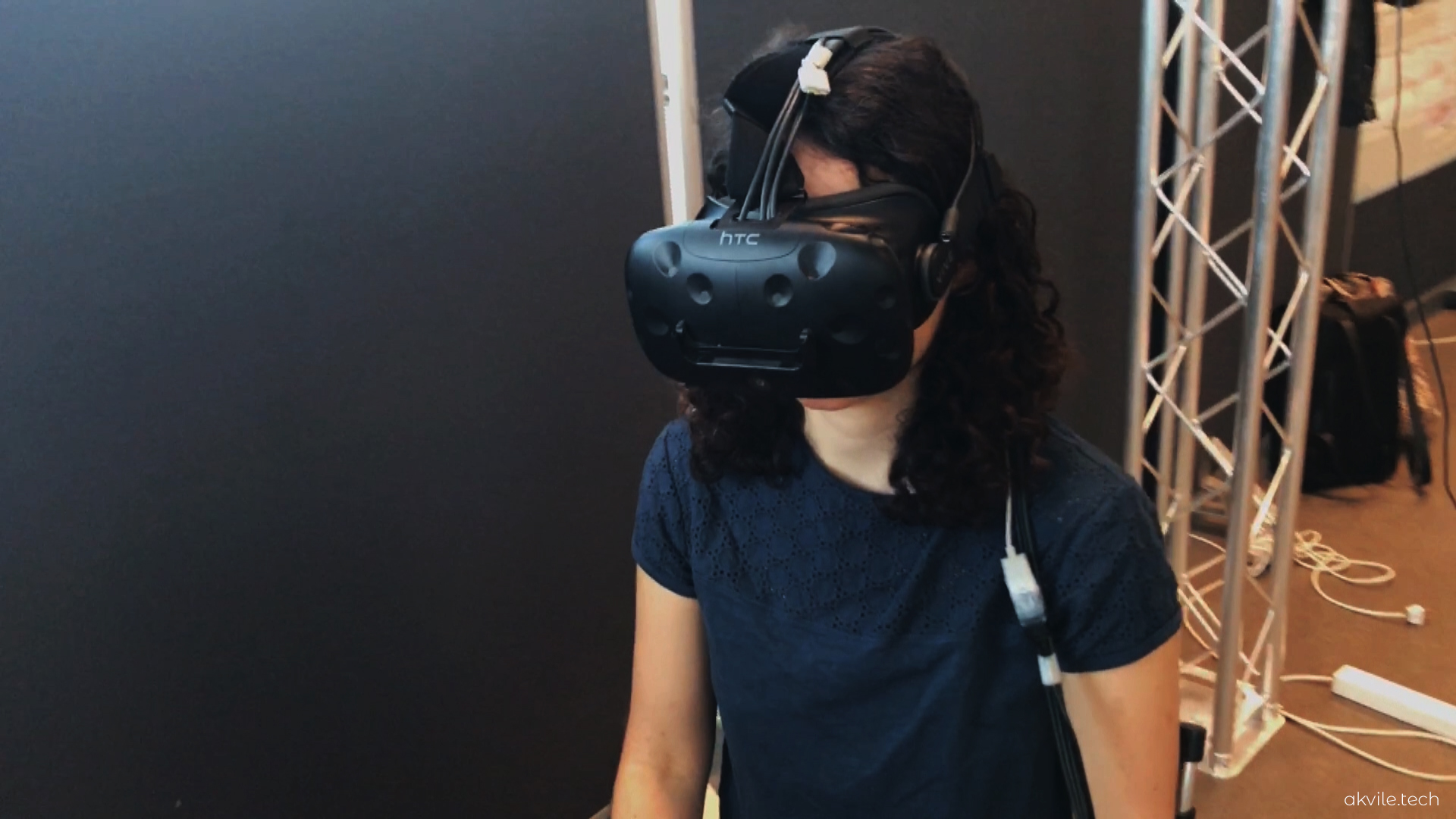
VR exposure for training adolescents with ASD | Case study | R&D
ABOUT
This exploratory pre-experimental single subject design study examines the potential of positive impact of virtual reality (VR) in combination with the point of view (POV) video modeling for training adaptive skills to adolescents with autism spectrum disorder (ADS). In this particular study a VR application was developed for an adolescent that was diagnosed with ADS and therefore struggled with taking a bus back home from school.
MOTIVATION
Our motivational force to work with such a project was coming from our curiosity in human behaviour psychology and cognition. Moreover, 7 years ago I used to volunteer in a daycare center for kids with ASD, therefore I was personally motivated to create an application that was meant to help individuals with ASD train adaptive skills in a safe environment.
DEVELOPMENT
Development process goes as follows:
- Firstly, scientific research and user research was carried out to lay down the foundation for the study.
- After obtaining necessary theoretical background we started planning, designing and directing the 360 video production.
- After the design completion, we were ready to film. All the 360 video shots were taken in the specific, well known to the test subject locations.
- After obtaining the video material it needed to be screened, selected, extracted and converted into equarectangular video material in 360fly Director.
- Final 360 video material was edited in Adobe After Effects.
- After the final point of view 360 video training was ready, it’s usability was tested using Oculus Rift.
- Final product was delivered to the stakeholder for the final user/subject testing.
METHODOLOGY
As this case study is within the field of behaviour science and the experiment is focused on only one individual, the chosen design method was single subject design.
An adolescent with a diagnosis of ASD that aged 15 years old was purposefully recruited for one week long treatment phase.
The correlation between the independent and dependent variables, which are made up of two phases: the A (baseline) phase and the B (treatment) phase was measured:
- Baseline phase – series of baseline observations made by the stakeholder (student’s teacher), with the aid of a custom comfortability and motivation data sheet, which measures levels of comfortability to take the bus and informal interview investigation of student’s reasons why he doesn’t want to take a bus.
- Treatment phase – series of treatment observations also made by the stakeholder after introducing a VR treatment. Evaluation method with the same comfort and motivation data sheet.
We obtained two data sets: subject’s and steakholder’s self assessment through motivation and cofidence scales:
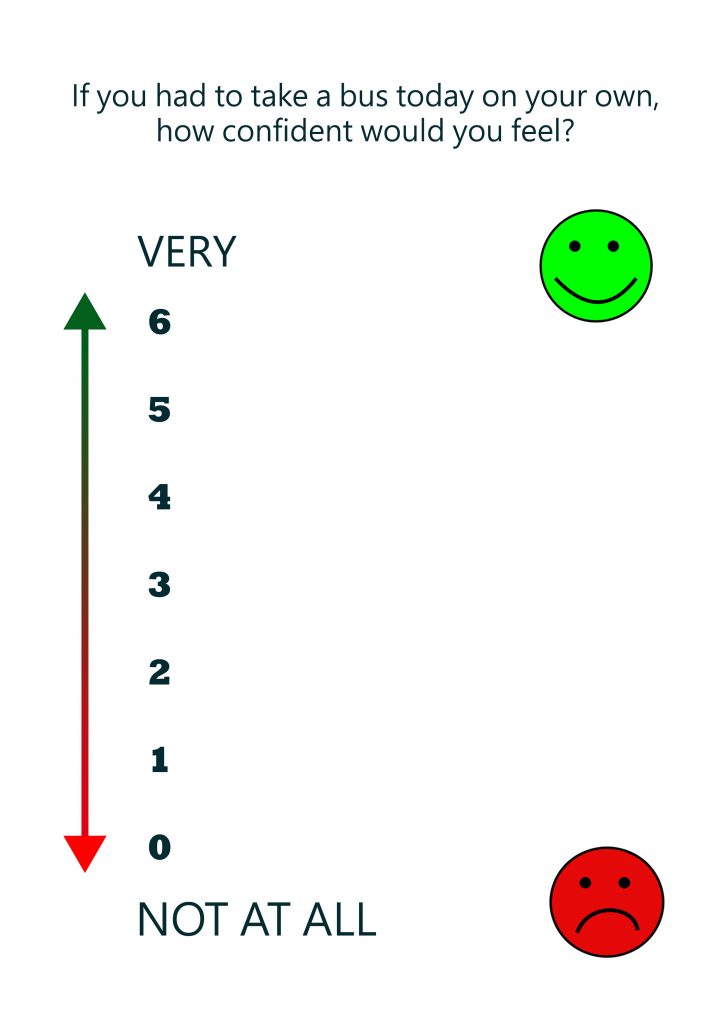
Obtained data was discussed carefully during the informal interviews with the stakeholder.
RESULTS
According to the baseline phase and the treatment phase result comparison there was no significant difference. Subject claims to feel the same level of confidence before and after the treatment.
Hardly anything can be concluded, as the treatment phase needs to be longer and more data needs to be collected.
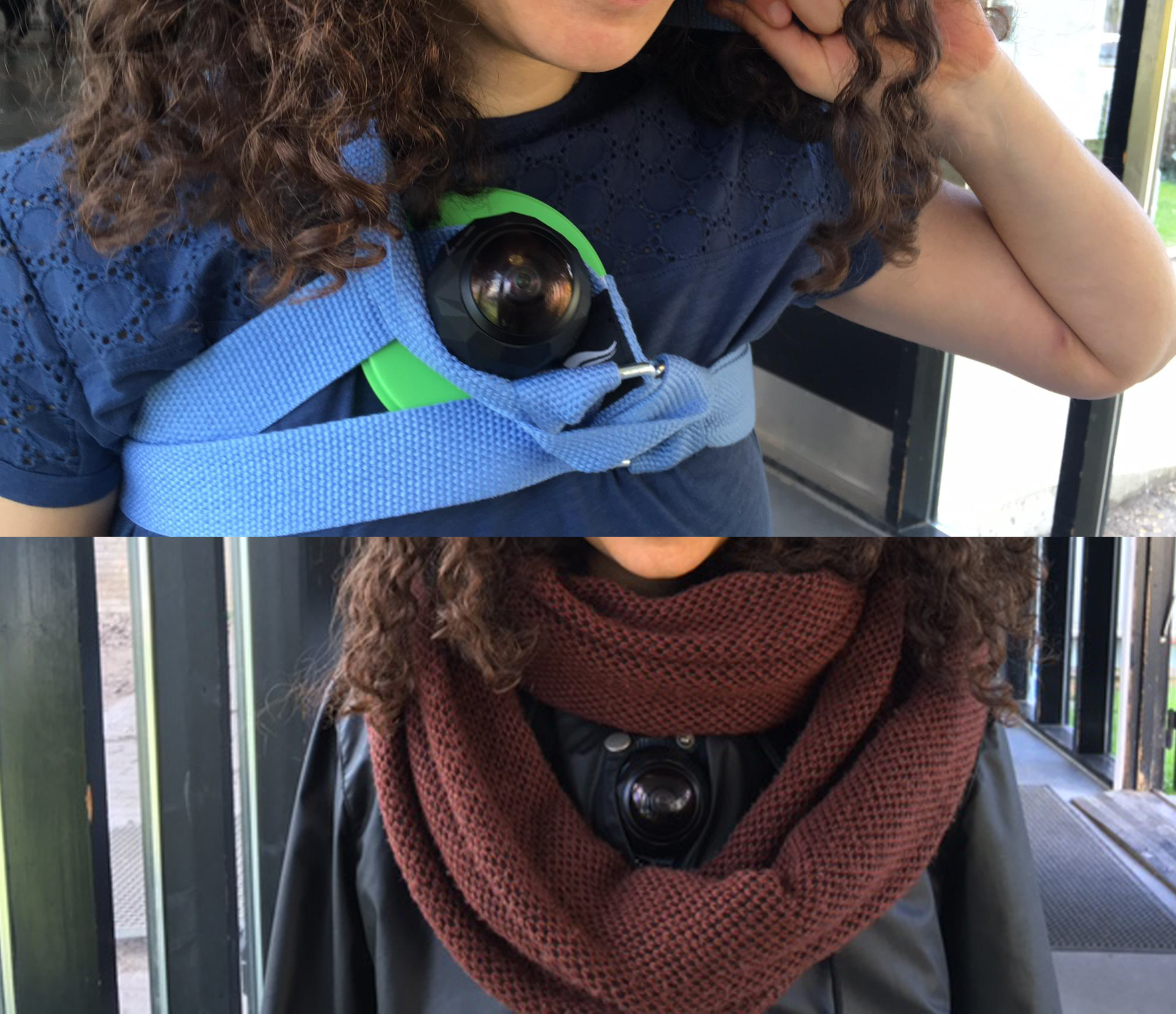
Camera mount
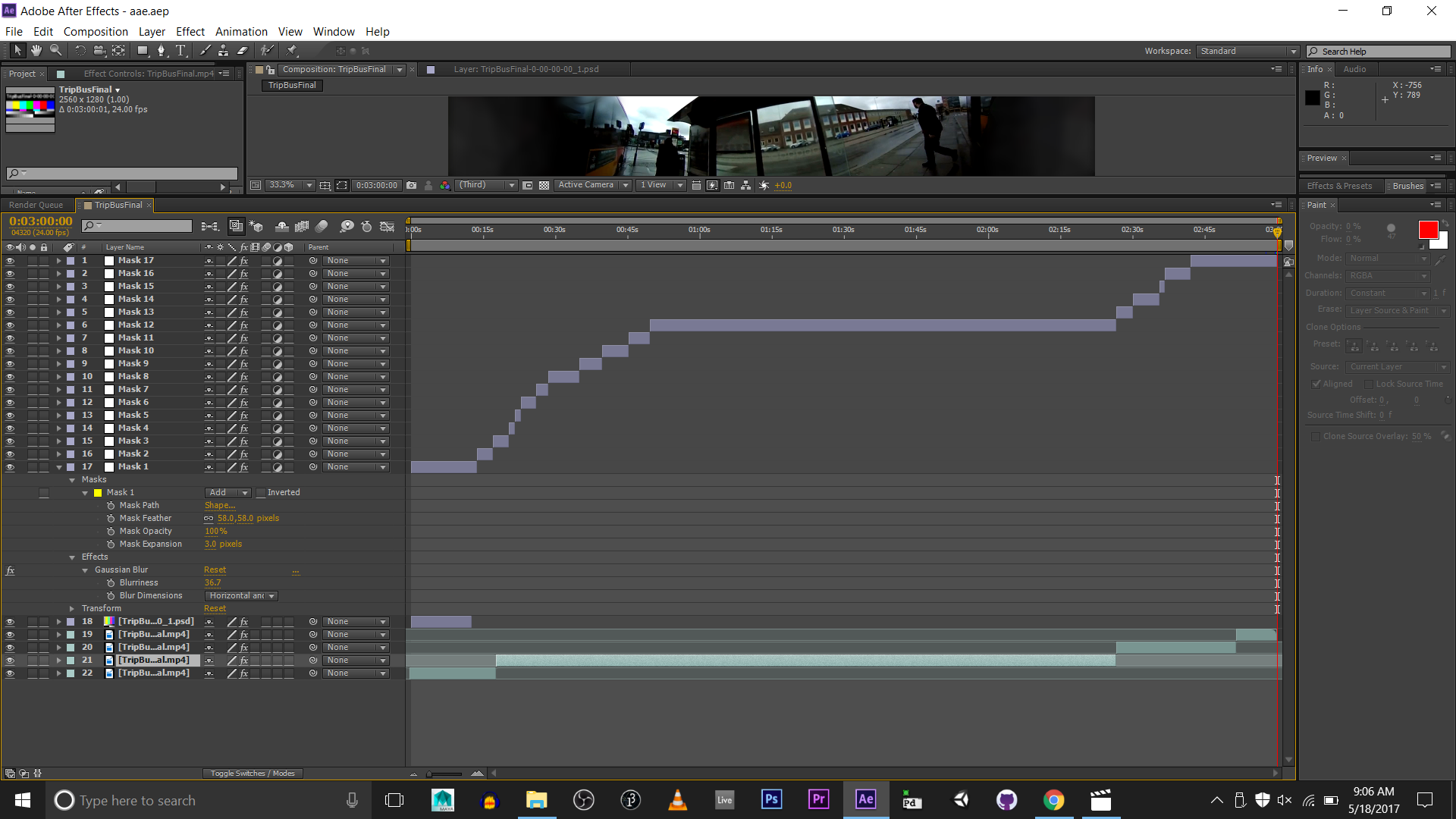
Sequence edit with 17 masks applied
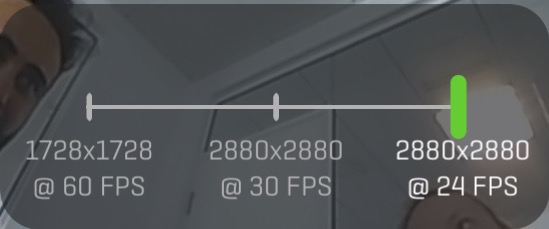
The adjustment of settings
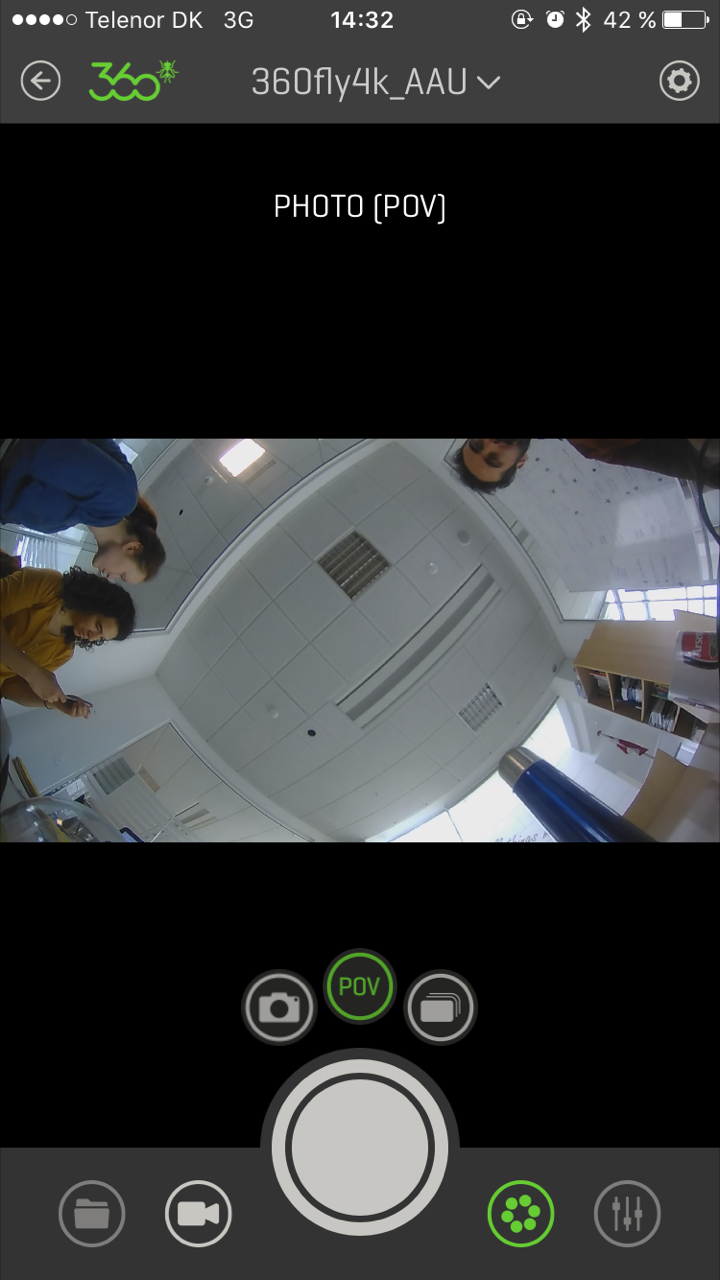
The field of view from the 360fly application
My Role:
Scientific research,
Product research,
State of the art research,
User research,
Usability testing,
Stakeholder interviewing,
Experiment design,
Experimental group test setup design,
Questionnaire design,
Comfortability and motivation sheet design,
Qualitative data analysis,
Project management and coordination,
360 Video filming,
Video editing
Project Timeline:
January 2017 – July 2017
Where:
Aalborg University Copenhagen
Tools:
Adobe After Effects, Photoshop, 360fly 4k VR camera, 360fly Director, Oculus Rift
Team:
The whole project – from initiation to completion was made in a group of four people – me and Anna Lunterova.
Full scientific paper of this project can be found here.